
When to Visit for the Best Travel Experiences
Plan your Canada journey with clarity by understanding how each season shapes landscapes, activities, and regional experiences across the country. Canada offers year-round travel opportunities, from vibrant cities and national parks to Arctic adventures and coastal escapes. Each season presents distinct scenery and activities, whether you want to witness autumn foliage, enjoy summer hiking, experience winter snow sports, or see spring wildlife. Choosing the right time to visit helps you maximise comfort, accessibility, and memorable experiences. Use this seasonal guide to decide when to travel to Canada based on weather, activities, and travel preferences.
Spring in Canada:
Experience Nature Awakening and Fewer Crowds
Visit Canada in spring to enjoy quieter destinations, emerging landscapes, and moderate travel conditions. Temperatures vary significantly by region, generally ranging from 5°C to 15°C in many cities, with cooler conditions in northern areas and mountains.
Spring marks the transition from winter to warmer months. Snow begins to melt, rivers flow more strongly, and wildlife becomes more active. National parks start reopening hiking trails, and cities become livelier with outdoor events and festivals returning after winter. Cherry blossoms in cities such as Vancouver create particularly scenic urban environments.
Travel during spring often means fewer tourists and better accommodation availability compared to peak summer months. It is an ideal season for travellers seeking a relaxed pace, scenic transitions, and early outdoor exploration without heavy crowds.
Summer in Canada:
Discover National Parks, Lakes, and Outdoor Adventures
Travel to Canada in summer to enjoy the country’s most accessible and activity-rich season. Temperatures typically range from 18°C to 30°C, depending on the region, with long daylight hours, especially in northern areas where evenings remain bright for extended periods.
Summer is the best time to explore national parks such as Banff, Jasper, and Yoho, where hiking trails, lakes, and wildlife viewing opportunities are fully accessible. Coastal regions, including British Columbia and Atlantic Canada, offer whale watching, kayaking, and scenic drives. Cities host festivals, cultural events, and outdoor dining, creating a lively travel atmosphere.
This is peak tourism season, so popular destinations may be busy and accommodation prices higher. However, the favourable weather, open attractions, and vibrant atmosphere make summer the most popular time to visit Canada.
Autumn in Canada:
Witness Fall Colours and Scenic Landscapes
Plan your Canada trip in autumn to experience some of the world’s most spectacular fall foliage. Temperatures typically range from 10°C to 20°C in early autumn, gradually cooling towards winter, with regional variation across the country.
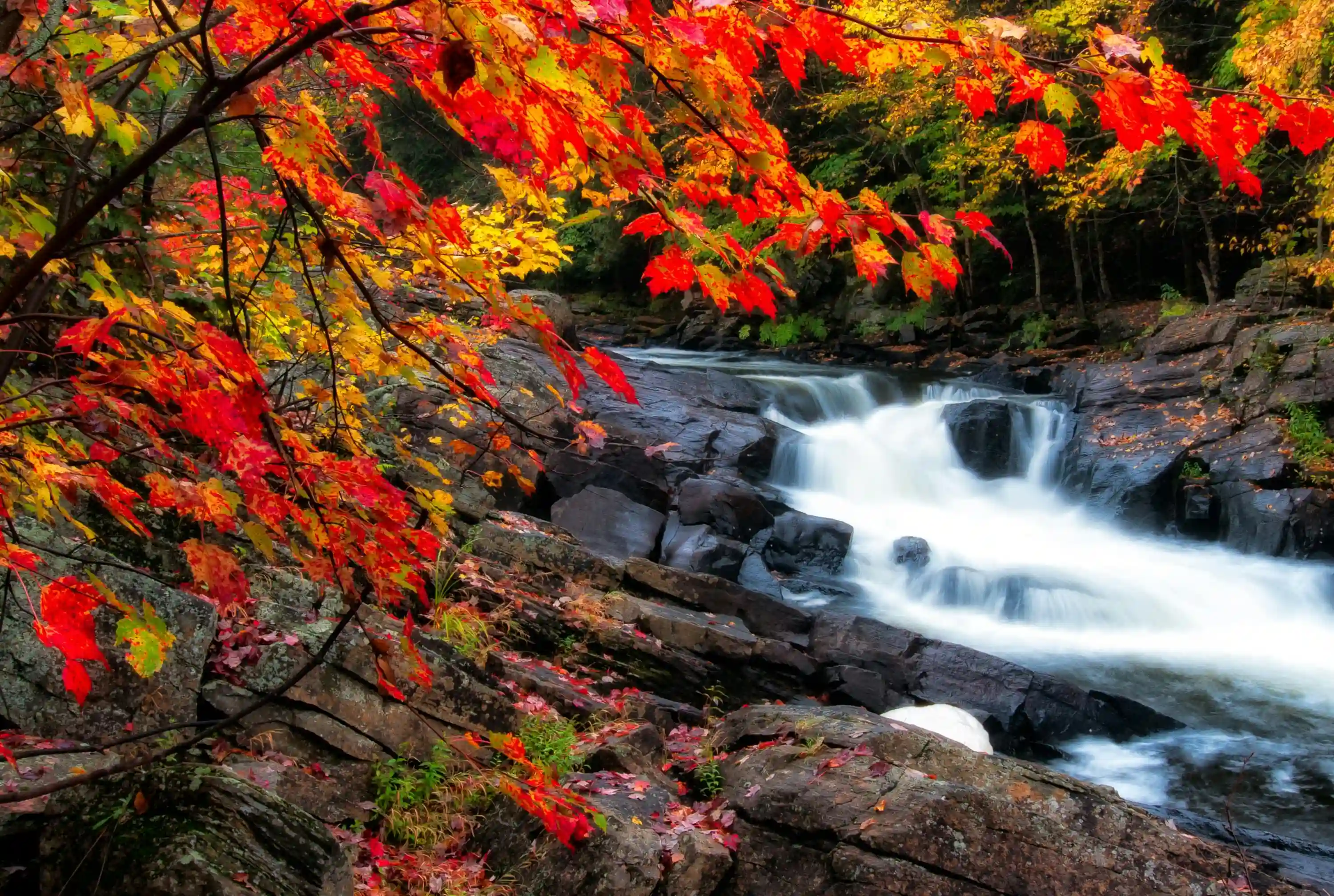
Regions such as Ontario, Quebec, and the Atlantic provinces become especially colourful as forests transform into shades of red, orange, and gold. National parks and scenic drives provide excellent opportunities for photography, hiking, and nature experiences. Cities remain active with cultural events, food festivals, and harvest markets.
Autumn also brings fewer tourists after summer crowds decline, making travel more comfortable and often more affordable. This season is ideal for travellers seeking scenic beauty, moderate weather, and a peaceful atmosphere while still enjoying strong cultural experiences.
Winter in Canada :
Experience Snow Landscapes and Northern Adventures
Visit Canada in winter to experience snow-covered landscapes, seasonal festivals, and iconic cold-weather activities. Temperatures vary widely, ranging from mild coastal conditions to extreme cold in interior and northern regions, often between -5°C and -25°C depending on location.
Winter offers opportunities for skiing, snowboarding, snowshoeing, ice skating, and dog sledding across many regions. Destinations such as Whistler, Banff, and Mont-Tremblant become major winter sports hubs. Northern regions, including Yellowknife and Yukon, offer some of the world’s best Northern Lights viewing conditions.
Cities also transform during winter, with holiday decorations, seasonal markets, and winter festivals creating a festive atmosphere. While temperatures can be challenging, proper preparation allows travellers to enjoy unique experiences unavailable in other seasons.
Regional Variations Across Canada
Canada's seasons do not feel the same everywhere. Geography, latitude, and proximity to ocean or mountains shape the experience dramatically across the country's vast regions.
Rocky Mountains
Short summers, spectacular winters. Higher elevations remain snow-covered well into June. The travel window for alpine hiking is July to September.
West Coast (BC)
Mild, rainy winters and warm dry summers. One of Canada's most temperate regions — accessible year-round with the right clothing.
Ontario & Quebec
Distinct four seasons. Hot summers, cold winters, and spectacular spring and autumn. Best for cultural travel in autumn and summer.
The Prairies
Extreme temperature range — bitterly cold winters and hot summers. Spring and autumn offer comfortable travel with dramatic open skies.
Maritime Provinces
Mild maritime climate with foggy springs and colourful autumns. Summer is ideal for coastal exploration and fresh seafood.
The North
Extreme conditions, extreme rewards. Winter brings the Northern Lights; summer brings endless daylight and wilderness unlike anywhere else.
The Best Season for Your Canada Trip
Each season in Canada offers distinct advantages depending on your interests and travel goals. Summer provides maximum accessibility and outdoor adventure, autumn delivers stunning foliage and comfortable weather, winter offers snow-based experiences and Northern Lights opportunities, and spring presents quieter travel conditions with emerging landscapes. By choosing the right season, you can shape your Canada journey around the experiences that matter most, whether that means nature, culture, wildlife, or seasonal activities.